What is gap insurance, and do you actually need it?
If your car is totaled while you still owe money on it, the insurance settlement and loan balance can differ. Learn how GAP products work, which amounts may be excluded, and what to compare before buying one.
Key takeaways
- A GAP product may cover some or all of an eligible difference between a settlement and the remaining loan or lease balance.
- It matters most when you owe more than the car is worth — common with small down payments and long loans.
- Leases often include gap protection already — check before buying it twice.
The short version
A GAP product is designed to address an eligible difference between a vehicle settlement and the remaining loan or lease balance after a covered total loss or theft. It does not necessarily pay every amount owed. Product limits and exclusions may leave out a deductible, missed payments, rolled-in debt, add-ons, or amounts above a cap. Compare the written contract with the loan or lease rather than relying on the product name.
The problem gap insurance solves
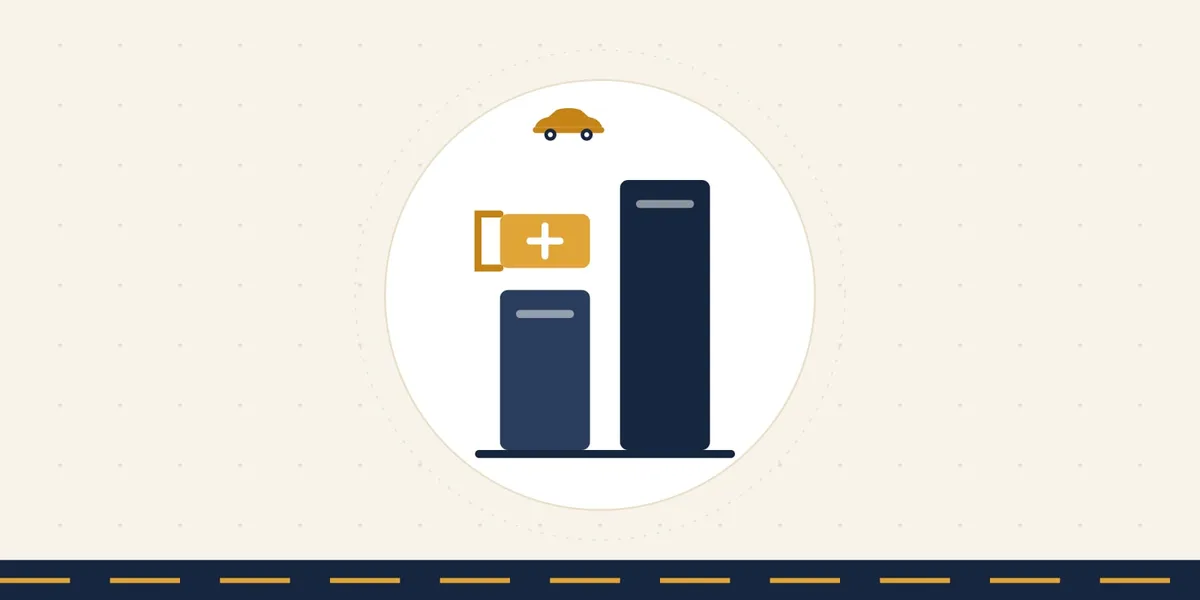
Cars lose value fast — often fastest in the first couple of years. Loans, meanwhile, go down slowly at the start, because early payments are heavy on interest. Put those two curves together and many drivers spend their first years “upside down”: owing more on the loan than the car is currently worth.
Now total the car. Your collision or comprehensive coverage pays the car’s actual cash value — its market value the moment before the crash — minus your deductible. But the lender still wants the full remaining loan balance. If the payout is smaller than the balance, you pay the difference out of pocket, for a car you no longer have.
Gap insurance or a GAP waiver may cover some or all of that difference, subject to its contract limits and exclusions.
A concrete example of how it works
Say a car is totaled and the insurer values it below the remaining loan balance. The borrower generally remains responsible for the loan shortfall. An eligible GAP benefit is usually paid toward that balance, but it may not cover every amount owed: deductibles, missed payments, negative equity from a trade-in, add-ons, or amounts above a product limit may be excluded. Read the contract rather than assuming the loan will be cleared.
Note what gap insurance does not do: it doesn’t buy you a new car, it doesn’t cover your deductible in most cases, and it pays the lender — not you.
Who should compare it
The comparison becomes more relevant when the loan-versus-value difference may be larger, including situations such as:
- Small or no down payment — you start underwater on day one
- Long loan terms — the longer the loan, the slower you build equity
- Cars that depreciate quickly — a steeper value curve widens the gap
- Rolled-over debt — if you financed the remainder of a previous car loan into this one
With a larger down payment, shorter loan, or lower balance, the difference may be smaller. Check the current payoff amount, an evidence-based estimate of vehicle value, and the product’s eligible balance definition before deciding.
If you lease
Many lease contracts include gap protection (sometimes called a “gap waiver”) in the lease itself. Check your contract before paying for standalone coverage — this is one of the most commonly duplicated purchases in car buying.
Where to buy it, and where it tends to cost more
Gap products may be offered through an auto insurer, lender, lessor, or dealer. The product, price, cancellation rights, refund terms, limits, and exclusions can differ. If its cost is financed with the vehicle, it increases the amount borrowed and may increase total interest. Compare the written terms and total cost rather than assuming one seller is always cheapest.
When to drop it
Review the payoff amount, estimated vehicle value, cancellation terms, and any refund provision periodically. If there is no longer an eligible shortfall, ask the provider how cancellation works and whether any prepaid amount is refundable; do not assume cancellation or refund terms are the same for every product.
Check your lease or loan paperwork first. Many leases already bundle gap protection, and buying it again as an add-on is one of the most commonly duplicated purchases in car buying.
Sources used for this guide
This guide uses the following regulator and government materials. They provide general background; your state rules and policy documents control your own coverage.
- Auto insurance options when financing a carConsumer Financial Protection Bureau
- A Shopping Tool for Auto InsuranceNational Association of Insurance Commissioners (NAIC)
- Directory of state insurance departmentsNational Association of Insurance Commissioners (NAIC)